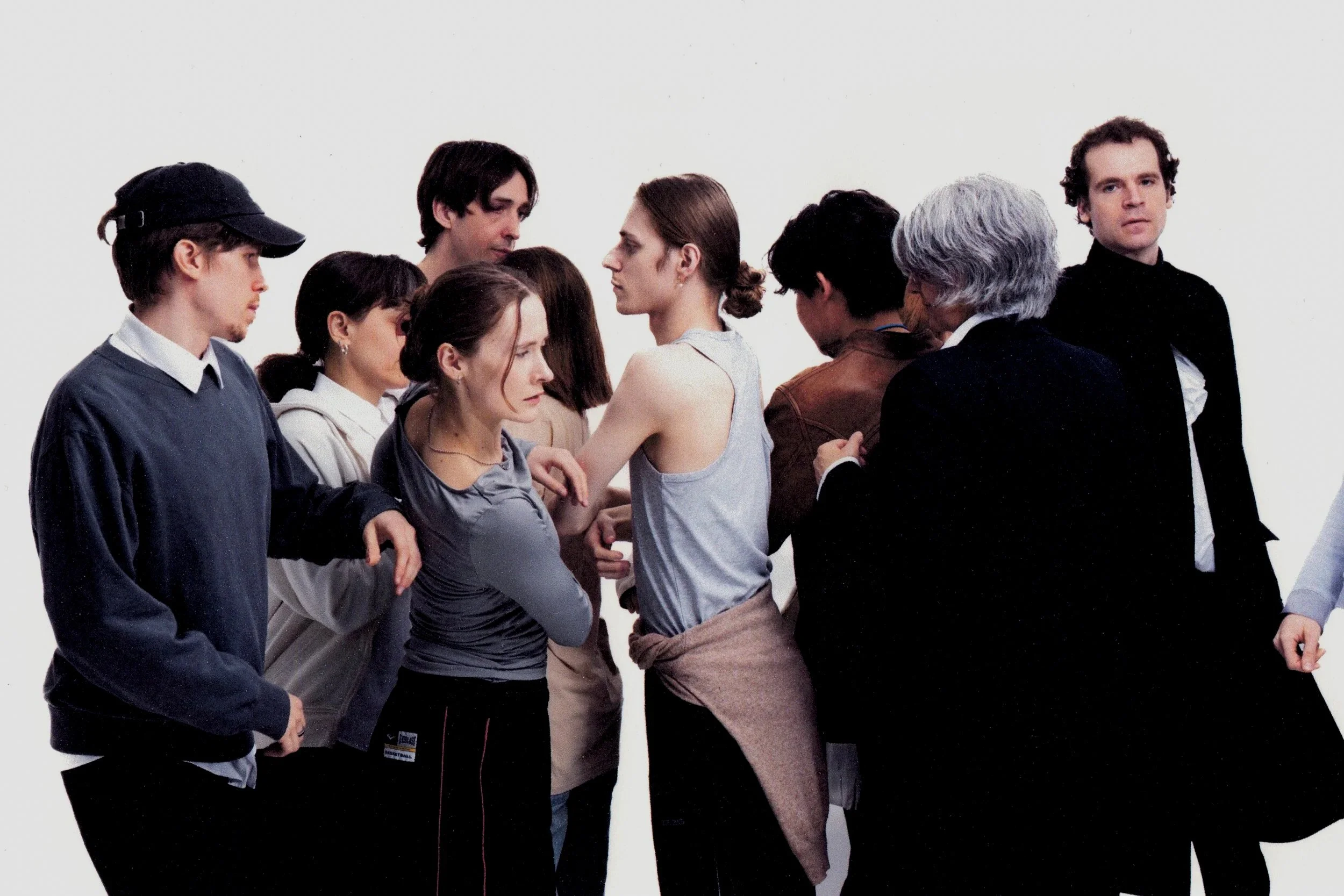
Prometheus Rising. A conversation with movement director Ken Nakajima ahead of his original debut Opera.
Creative: Milo McKinnon, Mujuice, Cecilie Jorgensen
∅
Ken Nakajima is a Japanese born dancer, stage director and visual artist working across theatre, fashion, film and contemporary performance. His creative journey began in opera, performing in productions such as Madam Butterfly, The Barber of Seville, Wozzeck, and Der Rosenkavalier at the New National Theatre Tokyo. From there, he became a competitive dancer before transitioning to contemporary dance and Butoh, experimenting with the expressive potential of movement.
As a stage director, he made his directorial debut with An Odyssey at the Dominio Pubblico festival in Rome in 2019, in association with the State of the Art collective. Followed by his first independent show, I’m Going Away Now, in Slovenia in 2023 at Gledališče Koper/Teatro Capodistria.
The striking immersive visual composition and emotionally resonant performances are a hallmark of the director’s work, which found a new platform in Oklou’s NTS Live Session in 2025, directed and choreographed by Nakajima on an ice-skating rink. He is set to direct his first Opera Prometheus Rising in April 2026, in collaboration with ADA Theatre Lab at the Raleigh Chapel London. His most personal and ambitious project to date.
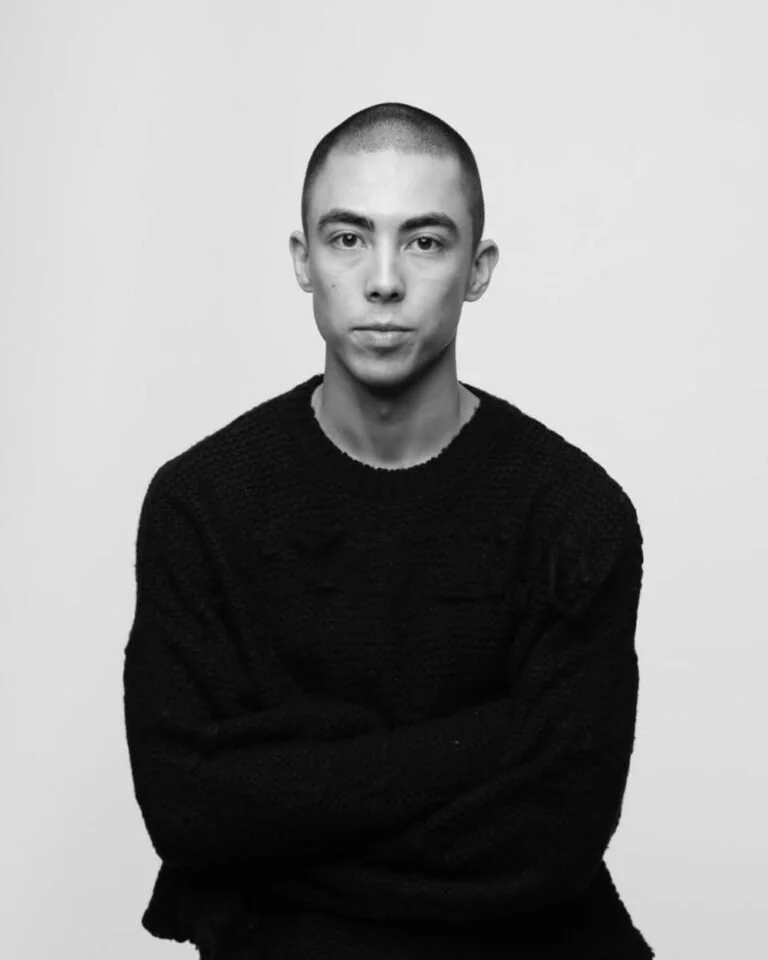
BI: Hi, Ken.
KN: Hello.
BI: How are you doing?
KN: I'm very good. How are you?
BI: Yeah. Good. It's been a little while since we last spoke, all’s well. How are things going with the production?
KN: Just in the trenches of rehearsals. We're literally rehearsing with the singers right now downstairs in my producer's house. So they're just going at it for the last act. It's really nice that we're all together - and now taking a step away and just actually talking about it, it is kind of fun actually.
BI: Good, alright we'll dig in.
KN: Great.
BI: I think let's start with Prometheus Rising because I know it's front of mind. Casting your mind back to your initial treatment. Where did it all start for you?
KN: Yeah. Yeah, I remember that. It started with a white lie to be honest. At the beginning of 2025 last year, I had a call with an opera producer who asked if I had an idea for an opera. I said, “Yes. I do.” (I didn’t). So I quickly borrowed a motif from a performance that I did at Central St. Martins for my MA where I had used Prometheus, of him taking back the fire. And then whilst I was sort of waffling on, I came up with this rough structure of what it could be and the narrative of it. As the call ended I was just like, “Oh shit, I've got something here. This is actually quite interesting.” It quickly became me writing down conceptually what it could be and what it could sound like. Then when I met with my producer again. I said, “We need to find money for this thing. Not sure when we're going to do it. It's a new idea. I'll just park it somewhere for now.” And then I kind of forgot about it, until Zlata [Mechetina] reached out to me asking if I had a project to develop.
BI: So that process, was that a little bit unusual for you then, in terms of the way that it came into being? That you had an idea in the bank and someone was there to be able to make it?
KN: I sometimes develop projects based on a very loose pitch and I'm describing it and then suddenly by describing the rough concept one day it just becomes its own thing. Then it's just a case of me waiting to see if I can develop it, and then sometimes it is by chance of being able to develop it and… sometimes not. I still have a bank of projects that I've developed that are just sitting there, waiting essentially.
BI: And Prometheus being quite rich territory for you to be able to dig in and extract interesting things to talk about. You mentioned that you'd already visited it in some form earlier in your career and your studies. What is it representing for you now? Because looking at that original treatment, to me it's in no way an antiquated depiction of Prometheus. It's extremely modern, and it feels very present. What is it that you're drawing from there? And how are you bringing it into the present day and making it feel contemporary?
KN: With any project that I've done in the past, there's always this underlying traditional motif or narrative. And then on top of that I'm always very interested in seeing how much I can deviate, and what would be the complete contrast of that, and then trying to mush it together. So, for example, with the opera Prometheus, I wasn’t really interested in representing the gods in antiquity that we've seen in the paintings and so on. I was just like, why not make it contemporary in a sense? But also… actually… I'm going to go back on that point. I'm going to rewind. I think I wanted to sort of deviate from what's considered a traditional story in opera, and what would it mean to sort of completely shift from that narrative and placing what I like and what I think looks good within that context. So even the costumes we've developed are quite fashion‑adjacent, and we were lucky enough to get a designer to come up with the costumes. So I'm just sort of taking bits and bobs from little parts of modern culture, but also from the past, and then seeing what happens if we mix it up together.
BI: Yeah, you could see that I think from your early ideas around staging. First of all, I think in some of your reference imagery, you had things like a crime scene or an ambulance as a staging centrepiece.
KN: Mhm. Yeah.
BI: And that makes things feel a lot more visceral and present. But then also on the music it seemed to me (as it should be with an opera), so much of it is about music and sound and that side of storytelling, as much as it is to do with movement, staging, costume. Looking at your reference points for music, there are tracks by Oklou, for example. So how important to you is music in the equation of this?
KN: I think for example with referencing people like Oklou, artists like that, it's very interesting because they both come from very traditional classical backgrounds and you can hear sort of traces of it in their music. And so I was interested in what that would mean in an operatic sense: how do we construct an opera whilst still keeping it refreshing in a way? Not to say that the operatic music that we have now is not refreshing - how can we slightly deviate sonically and sort of disrupt what opera should sound like? And I think that sort of reference list that I'd made on the pitch essentially came from the meeting that I had with the opera producer where basically he was saying, how do we make opera accessible for people now? How do we work in smaller scales, mid‑scales? How do we respond to what it is now? So essentially that reference list corresponds to what that conversation was: how do we make it relatable for now but without disrespecting the operatic form, or what it is because I'm not interested in completely turning it on its head. I think there's still things that we can keep because they're good, because it works.
BI: Yeah. The mix that you’d made, essentially a playlist that you'd created, was a list of really groundbreaking contemporary musicians and artists. I think Mica Levi was on there as well, and William Basinski, and a few others. And you talked about your aesthetics and how you're also just drawn to things that you like, and you're going to include that because you like it, and I think that's as good a reason as any, but actually there's another layer to it which I think you are kind of respecting or paying homage to these more classical traditions and you don't want anything in there that's going to jar with that too much, because then almost it stops being opera, and it becomes something else.
I was going to leave it until a little bit later on, but it feels like you've kind of touched upon it there. There's an actor who made a bit of an off‑the‑cuff comment about opera recently, which I'm sure you've heard. It was Timothée Chalamet, wasn’t it? It's almost perfectly timed for the work that you're doing. But essentially he was saying something along the lines of he wouldn't do opera or ballet because it's old hat, and people don't tune into that kind of thing anymore. What kind of feelings does that conjure up for you as a practitioner of those disciplines?
KN: I think firstly, bless him. I just think he waffled on and didn't know what he was talking about. But it did piss me off when I heard it initially as a statement and I was just thinking that's when in my head I became sort of uber conservative in terms of the art forms that I do, what's happening with AI and how the digital image is sort of invading every single space that we have now. Ultimately in the future if it goes as bad, as I think it will, ultimately we will radically revert back to what is in front of us literally and those forms are theatre, ballet, dance and I think there will be a surge of people coming back to those forms as real things. But generally speaking, I don't know. I think now I'm at peace with that statement now, because I think it was very timely when he made that and we were developing the opera. It was quite funny and I hoped it would have helped in some ways for the marketing and the PR and so on and get people in to see this wacky contemporary opera. But yeah, I don't know really. Yeah, I'm still thinking on that one.
BI: Firstly you might think that it's a comment of very little substance, and then I guess you try and analyse it a bit and you're like, is there any truth to it? So he said opera is dying because people don't know how to watch it anymore. I think the point that he was trying to make was perhaps that people don't have the ability or the attention span to sit down with a live performance. So in essence there probably is some element of truth in that, but perhaps those audiences aren't the ones who are going to be buying tickets to see your work. And I think what you're doing, and you've said it yourself, is you're trying to push things a little bit further as well, and make it interesting. It's not meant to be a pastiche of an opera. This is something that is very contemporary and I think perhaps that’s because you're working across disciplines, you mentioned fashion designers and musicians and things like that. In fact I want to talk to you a little bit about collaborators because your work certainly has your fingerprints all over it, but there are other people that you work with. Who are some of the people that are really supporting your work and working with you in a deeper sense?
KN: Do you know what? I'd start with my sister Maya. She’s always been there when I have started brainstorming ideas and she would always challenge me on how to construct certain performances and stuff. And because it's sort of like a neutral voice, but still having the understanding of what the forms are, I found her advice very helpful and still do. I would also say Zlata Mechetina, my creative producer. We’ve always got along very well and we did a project together a couple years ago where I directed and she did the sound design. She's just so radically supportive of every project and especially this project as well. Just the amount of time that she's putting in for this solely is immense. And the things that she's doing behind the scenes, as well as in front of the performers and the creative team, it's just - I don't know how she does it. I would also name, who else? So many. I think everyone to be honest, I can't be too specific on certain people but I think generally all the people that I've listed on one of the website pages of all the people that I've worked with within sort of my open collective, if you will. I think every single person has contributed to a project both creatively but also on a very intimate level. So I don't think I'd be where I am or I will be wherever in the future without them and their presence essentially. Because it could be someone I could have had a conversation with over coffee many many years ago just talking about a specific idea and then for them to sort of turn it or suggest something else, for me that means a lot. It could be a second and then I will be eternally grateful essentially.
BI: So you don't see it as a kind of auteur thing… your practice and… forgive me because I'm very much on the outside looking in here… but for you it's definitely a team effort in getting something like this off the ground?
KN: I think so. And I think obviously I have what I would say to any collaborator, I have my checkpoints of what I want, and I have sort of a boundary around that, but in between those checkpoints I'm very open for collaborators to change things. But as long as they arrive to a specific checkpoint then it's fine. So I do have this sense of overarching - I don't know - auteur presence or whatever - but I'm not that precious for things to change. Like it's not that I don't care, but I'm very open for people to just flip it upside down and give me something instead. And sometimes it is better and I'm like “cool, let's do that, let's throw this idea away”.
BI: Yeah. I was going to talk to you about phases of a project, and you just referred to them as checkpoints, which I feel like are just about the same thing. Let's use checkpoints. I like that. Checkpoints of a project, you have that initial excitement of the idea, I suppose, around an idea you're sharing that with your sister, and throwing the ball around and maybe one or two other collaborators. And then after that stage, you're moving more into the nuts and bolts of how do we actually make this thing? And how are you sustaining a vision or that initial spark of inspiration throughout the whole production all the way through to performance day? How do you manage that? Because for me it's always a challenge and it's something I really admire in creatives, that they're not only ideas people but they're also people who see it through till the end, come what may. And there are a lot of challenges and a lot of curveballs that are thrown at you. So what is it that helps you get through those checkpoints from one to another? Is it just grit and determination? Is it finding new ways to be inspired?
KN: I think every time I sort of conceive a project, even though if I can't see each image very clearly, there is literally a whole beginning to end of what I want it to look like and want it to feel like. And I think it's that essence that I always try to tap into that and remind myself of this is why I'm doing it, because of that feeling that it sparked within me. And sometimes, for example, I don't really see my work as my own baby or whatever. I feel like once it's conceived it's its own independent being that I'm in negotiation with. And I know it sounds a bit woo‑woo but I know when things are not going the right way directionally speaking, when the instinct doesn't feel right, I always try to return back to that sort of essence of what can I do to make this better for you (as in the work). And then when I do find those moments where I step back, that's when things happen or things get a little bit better. And I think I'm just glorifying this… it's instinct. I think that's what it is. I think it's that instinct and that feeling connected to when I first started the project. And sometimes even in rehearsals I could have prepped a whole section, and then when I see it I don't like it, or it could be the moment before I step into rehearsal I'm like “I actually don't want to do that anymore” and then I just completely improvise the whole process with the team, and then from that improvisation I'm like, “so this is what I want”. So I think what I struggle with most is when the instinct isn't clear and then you've got 10 to 20 people looking at you being like, “What's next?” And I'm like, “I actually don't know.” And then I think that's when I sort of open the room sometimes, or I take a break, have a five minute cigarette break, and then I'm like, “Okay, I think I know what I want.” So it's consistently up and down, but there is sort of like an underlying tone that sort of stays all the way to the end. And then when it comes to the production, I kind of dissociate completely, because for me once a performance begins and the audience is there, I don't think it's mine anymore. It might have my name on it, but I'd rather not be too present within that space. I'd rather just be the fly on the wall and just watch it or go outside and have dinner, or just have a drink and let people watch it.
BI: When you said about opening it up to the room, when you don't have the answer, being quite frank and honest… when you've got a group of people looking at you as the person to have the answer, I think that in any form of directorial role, you are seen as the person that has all the answers. And other cast members or people involved can take a little bit of a backseat because they're being led. However, what you're saying there is that, at this point in your career you're quite open to the idea of letting other people in and letting other people come to the table with ideas. Is that something that you're finding you're more and more comfortable with as you grow in experience? Would you have done that at the beginning of your career if you were put in the position you're in now?
KN: I think it came from an experiment that I did with myself or… a bet rather. So when I was at CSM I thought it was a good idea to do two final projects. One project was If I Ever Get Around to Living that was a smaller intimate performance, very durational and that was literally six sketches and I just opened it to the room - I was like, “I've got these sketches. I don't know how we're going to move from one image to the next but let's do this together completely.” And then the other project that I did, Archipelago, was a very authoritarian - this is what - I want step to step, image to image - boom. And I tried those two very, very different processes and I realised at the end I don't think I like being a dictator as much as I thought I would. As much as I look at all my heroes and I'm like, “I want to be them. I want to be completely, this is my vision and my vision only. The director is the artist,” which I still partly believe. But I realised over the years of slowly developing my practice, it is with the people and for the people and I'm essentially just facilitating that really. And then the boundary is the concept of my project, if you will, and that could be quite flexible and very stretchy but eventually it kind of forms itself back into that boundary again. So it is sort of like a bit of both I would say… but sometimes it does contradict one another.
BI: I want to talk a little bit about your background. There's a kind of history of dancing yourself, the New National Theatre, Tokyo, moving from classical opera into hip‑hop and now you're back in opera. What have you learned along the way, and how has this all led to this point at which you're at now back in opera and your directing? What are some of the things you think you may be drawing from, whether that be particular experiences you had or influential people that you just mentioned?
KN: I think when I was doing opera, this was when I was like a kid, I practically grew up in the opera house and the scale and the level of professionalism I was exposed to. I think that really cemented how I operate and how I interact with people, and everything that I've created. As I got older, I think it always refers back to the images and the scenography and the set design and the music that came from what I was exposed to then. But also, how can I put it? It's not a trauma but there is this frustration since I was a boy and since I left the opera and moving here. I've always wanted to return to that sense of scale and feeling small in this very wide creative space and how can I get to that point again? So I feel like everything that I've done will inevitably lead back to the opera and also sort of giving my younger self a pat on the shoulder to be like, “Yeah, this is what you wanted, and you wanted to come home.” So for me, when this opera project came alive, I wasn't expecting it to come so soon. I thought this would be 20 years down the line in my practice. But I am very grateful that it's come to me now. And the universe is like, “This is what you wanted, so you better make a start.” So I'm in the place of, “Okay, I guess I better pull my socks up and just give this thing a go.”
BI: And by no means the last time you do it either.
KN: I hope not.
BI: We talk about careers being in your 20s or your 30s, but you're really still at the beginning. So yeah, it would be great, I think, for you to continue this and develop further. Who knows, you may get to that or revisit that on a level that you once had…
KN: Yeah, I think so.
BI: But to me it sounds like there's a little bit of nostalgia there. Would that be fair to say?
KN: I think there is definitely a bit of nostalgia and sort of like a yearning, if you will, of - I don't know - a yearning to return home in a way ’cause it really did feel like a home to me and that's where I really learned how to be with people and interact with people and I've always been the youngest in the room and it's still the same. So, there's a part of me that feels like I've been doing this for way longer than I actually have (even though I'm young in hindsight) so I don't know how I'm going to feel when I'm 30 or 40. I'll probably feel like 80. Do you know what I mean? Yeah. It's a weird one.
BI: You talked about this coming earlier in your career maybe than you'd anticipated, but I think that's a good thing, that you're able to explore it now and kind of take it further. And we talked a little bit about how as much as you're honouring, you're trying to break some of the traditions in opera and dance and that kind of thing. And I was looking back through your work - a lot of it would be behind‑the‑scenes footage and imagery of rehearsals and things like that. One thing that I definitely saw that had your kind of signature was there was a real sculptural feel to how you're treating the body and choreography, and it really reminded me of the photographer Ian Davies. He was well known for shooting the album cover A Certain Trigger by a band called Maxïmo Park. It feels even the promotional material for Prometheus Rising, that shot of the body and it being in movement, almost in flight, caught in a moment, and that being contrasted with sometimes formal clothing, whether it be a suit or black tie or something like that. It really reminded me of that. And then looking back through your work, there is that kind of similar almost industrial contemporary feeling to it. So, as much as you're rooted in tradition, it feels extremely modern whatever you're doing. I guess you can play with that, the new and the old and you can do that in many different ways. You've now had your work associated with the likes of the Royal Court Theatre, Show Studio, spaces like Tate Modern. So it feels like also your practice and your disciplines are going into different spaces now as well - be it you talked about fashion and things like that. How do you see that your practice is now changing over time, and what are some of the things that you're excited by in other projects outside of opera?
KN: Right. I think what I've discovered, is it's becoming much more vulnerable and much more honest about what it's attempting to do. Which is kind of beautiful in a way because I feel like when I started I was really obsessed with showmanship and very abstracted imagery and ideas and concepts, and of course that still sort of plays within what I'm doing now, but I feel like it's weird to say, but that’s becoming less and less, and my work is becoming much more human and more empty, if you will. Which is both terrifying and very exciting for me at the same time, because in parallel to the opera I had this other project that I was developing called Call Me When You Get This and essentially that piece in itself is trying to explore what that feeling is, between a conversation. People. Whether that be a lover or someone that you've lost, the things that are unsaid or the things that you really want to say and the awkwardness between the silences - how do I sort of physical-ise that into a performative format? So I feel like it's becoming much more microscopic in the human experience essentially, just really looking at those micro seconds or moments and how do I turn that into a whole performance - and I'm more interested in exploring non‑theatrical spaces, but still making it theatre if you will and trying to question what really theatre is. And I think that's a question that's very hard to voice, I think particularly in the British theatre scene when it's still quite traditional in what they're exploring and how structure works. So I think it's a very slow burn process, but I think I will get there.
BI: Yeah, interesting to hear you talk about taking it back to the human, and that’s not just the body but the soul as well, and that you've got this almost forensic view of things now microscopic view, and that plays into a little bit of what I've seen for Prometheus Rising, funnily enough, it being this forensic crime scene.
KN: Yeah. True.
BI: It's just the bodies on the floor type thing. So there's definitely something in that. And maybe without putting words in your mouth, that being some kind of reaction to the world at large and technology and AI taking over, and us all wanting something more real and more human. If you're stripping something back and leaving it at its core, that's presumably where you can find the heart of it. So I think it makes sense that you're going that way and there's still a lot to be discovered and there's a lot of exciting stuff there. Yeah, I only really had one or two more things I guess to ask and delve into. One thing being a lot of what I've seen, like I mentioned, in terms of behind‑the‑scenes footage and things like that, thanks to the wonders of technology and social media, me as a fan of the arts and theatre and dance, I get unparalleled access to see your rehearsals and those kinds of slightly awkward moments, awkward silences, things that maybe I shouldn't necessarily always see or audiences haven't always been exposed to. How do you feel about that side of things? Almost like letting the audience in to see the process of something being created? And how do you think that might ultimately impact the work in its final form? If people are arriving to watch something that they've already been exposed to certain elements of its creation, is that revealing the magician's process or are you quite open to the idea of the fly on the wall?
KN: I'm open to it because I feel there's elements within my work in a very performative sense where I really like revealing the trick before the trick is developed, but you're still enticed by it because you kind of forget what happened and you just see the image suddenly. And that definitely comes from being influenced by this Dimitris Papaioannou. He's a wonderful Greek choreographer and he constructs images and tableau bit by bit. So you see all the components coming together very slowly and you don't realise that you're sitting there for 10, 20 minutes until the final image appears and you're like, “My God, there it is.” That's what I'm striving for within the project. But also your point about how we are very much already exposed to behind‑the‑scenes. I think unfortunately that's inevitable, but also I guess it helps. I don't know if this is a very surface‑level answer but I guess it does help with the marketing just to see, I think there is a bit of an excitement to look into what's around the corner these days but it is so accessible and I'm still wondering if that's a good thing. But also it does help with promoting a project or people coming across your page or revealing your process. It does help in so I'm still in conflict otherwise I wouldn't post anything because it's not that I don't care, it's just I've got better things to do. But I think everyone has that anxiety of, I feel like I need to post something to show that I am working. So there is that weird sort of external validation but also people wanting to be teased at the same time. So I don't know, it's very weird. It's a very strange time.
BI: And also for non‑theatre goers, I suppose, or people who don't traditionally buy tickets to go see these kinds of shows, it could be a portal to that, couldn't it? It might be something that they see online that they then think actually that could be something that I might be interested in. So yeah, there definitely is two sides to that coin.
KN: Yeah. Yeah.
BI: What is it that you're hoping people specifically for the Prometheus Rising project - what are you hoping that people can take away from that?
KN: I think I'm not really interested in a big message of the world is shit, this is what it's about, do your part. I don't really care in that sense. I think for me it's kind of going back to that microscopic lens - even if it's for a moment - a small interaction with the performers - I hope that could be resonant to them of what they're going through emotionally. I want them to feel like they belong in that space and it's a collective experience, but also I want it to be a very individual experience at the same time. I'm more interested in “what did you think about it?” or talk amongst your friends and see what those different interpretations are. I guess whatever you want, but I just hope you feel something. I think that's the main thing.
BI: Yeah, no doubt people will. I think that about wraps it up. I know you've got a team of singers downstairs waiting for you to come back. I won't keep you. I know all these things are a labour of love, but really excited about next month and as mentioned, people can find tickets on Resident Advisor still, so do check that out. All right, Ken, good luck with the rest of the month, and all your other projects.
KN: Thank you.
- End -
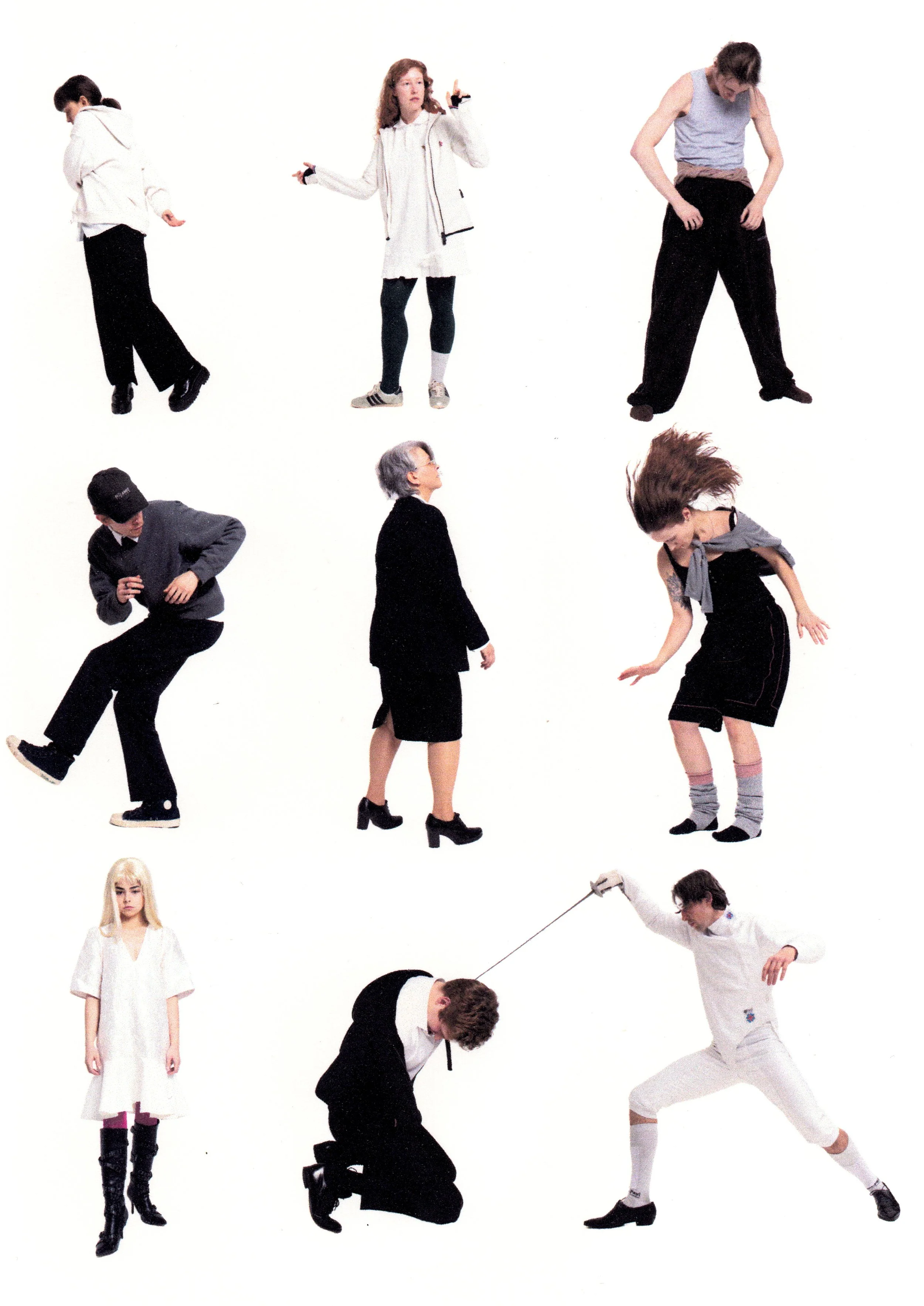
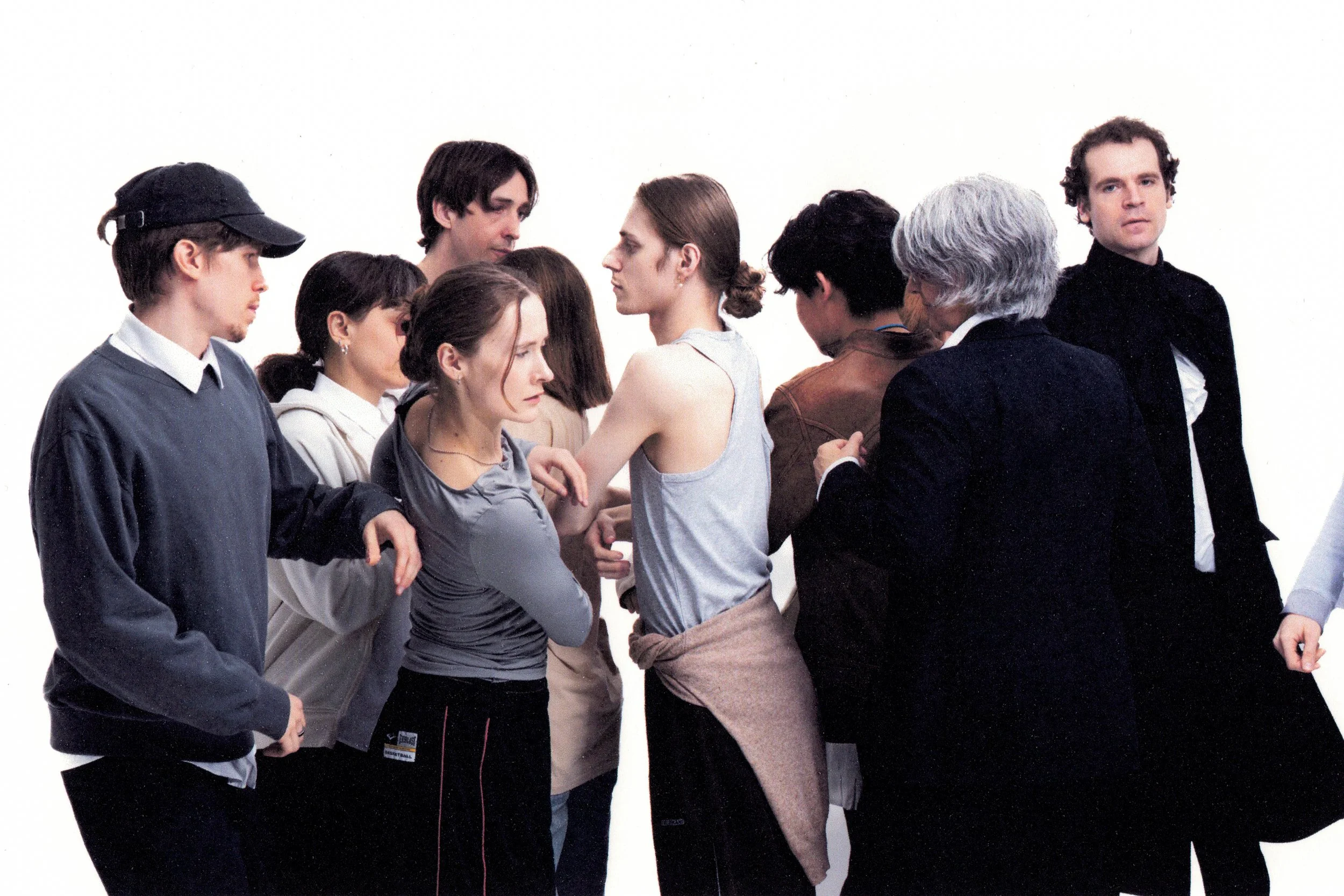
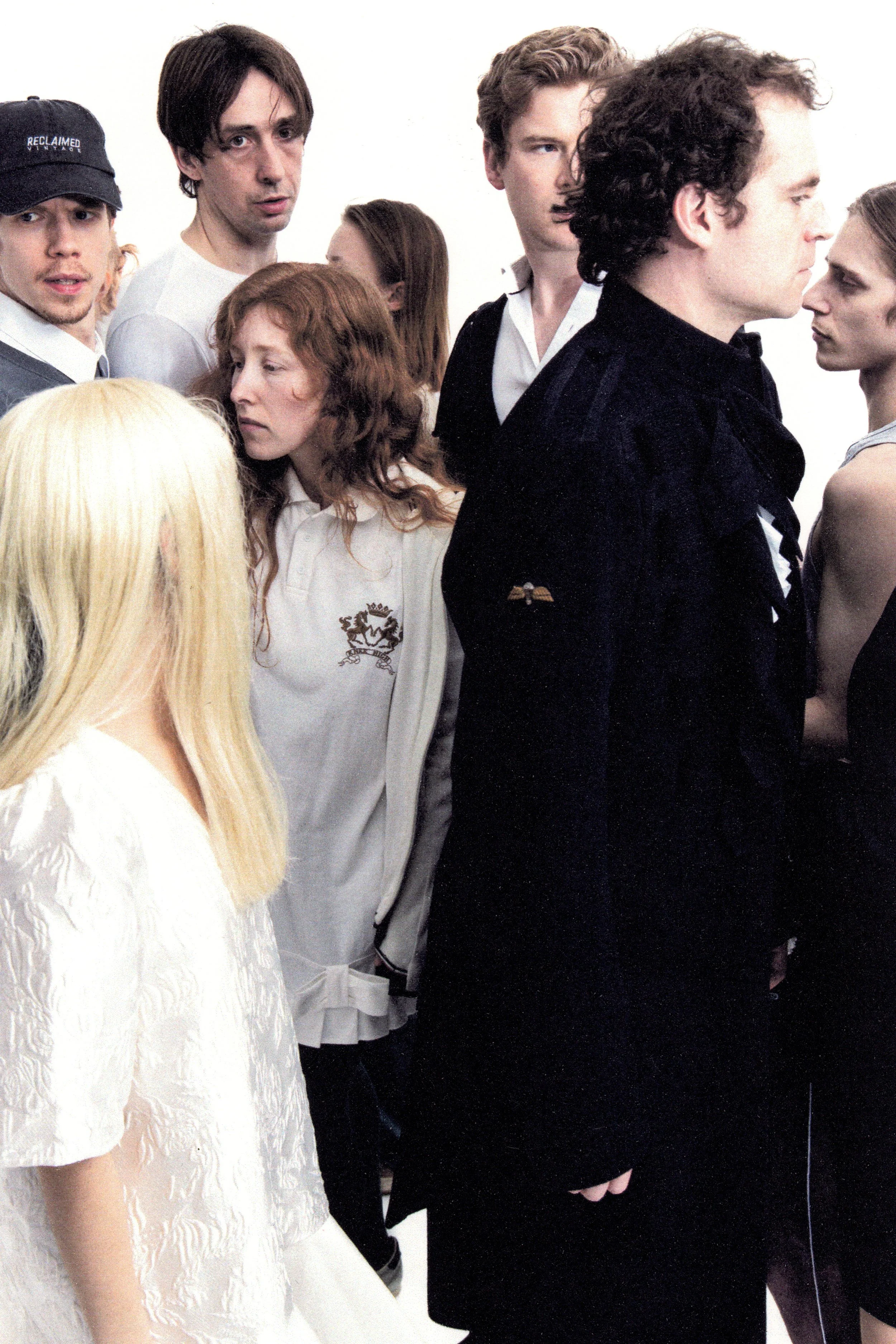
Ken Nakajima’s Prometheus Rising debuts at Raleigh Chapel, London on May 7th. Tickets available here.
With special thanks to
Ken Nakajima
Maya Nakajima
Zlata Mechetina
Milo Mckinnon
MUJUICE
Cecilie Jørgensen
Svend Brandt
Eleonor Pullen
Robert Folkes
Michael Tcherepashenets
Tali Nishihara Jones
Yiling Chao
Sasha Gefen
Vera Raskina
Arina Azzarova
Bridgette Lavoix
Kasia Kuzka
Noah Meteau
Casper Dillen
German Segal